
Lake County Collaborative Divorce Attorney

Collaborative divorce gives Lake County families a way to negotiate the terms of their divorce without handing decisions to a judge. Both spouses hire their own attorneys, agree to work in good faith, and bring in professionals who help address parenting, finances, and communication along the way.
The Law Offices of Lawrence S. Manassa, P.C., guides families across Libertyville, Vernon Hills, Highland Park, Gurnee, and surrounding Lake County communities through the collaborative divorce process. Many of our attorneys have psychology backgrounds, which helps keep negotiations productive when emotions are running high.
To discuss whether collaborative divorce fits your situation, call 847-221-5511 or visit our contact page to schedule a consultation.
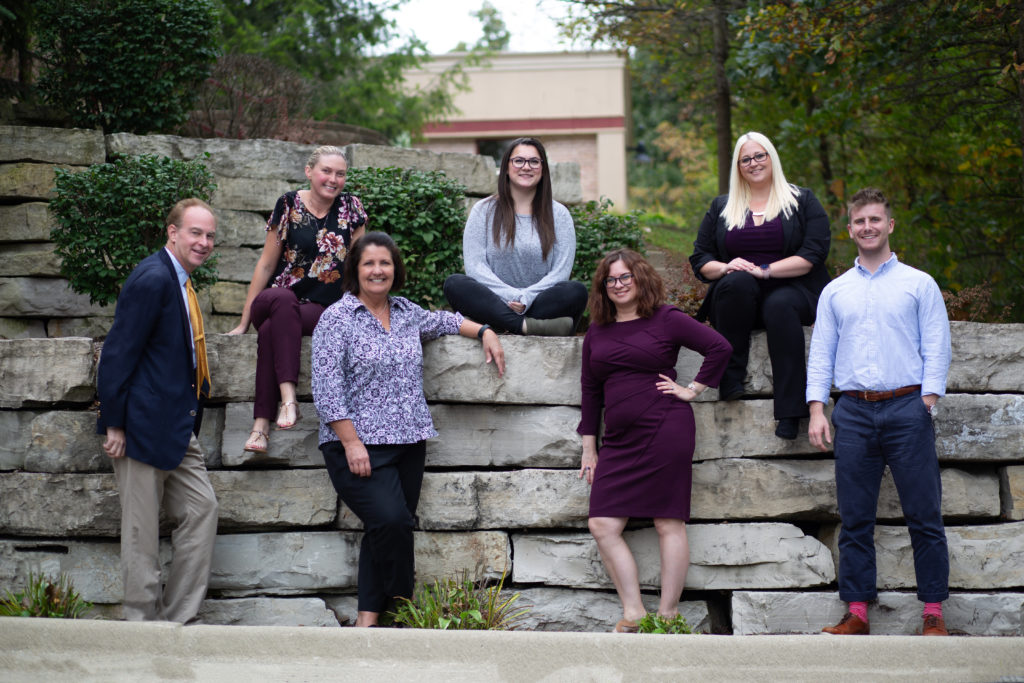
Why Choose the Law Offices of Lawrence S. Manassa, P.C.?
Our firm combines legal guidance, psychology-informed negotiation, and a team of collaborative professionals to help Lake County families resolve divorce outside the courtroom. Our Barrington office serves families throughout the county who want a structured, private process and attorneys who understand both the legal and personal dimensions of ending a marriage.
What sets this firm apart is dual perspective. Our attorneys handle collaborative and litigated divorce cases. That means we give honest assessments about which path fits your family rather than defaulting to one approach. An attorney who only practices collaborative law might hesitate to tell you when collaboration is unlikely to succeed.
Our psychology-informed training shapes how we guide negotiations. Divorce stirs up grief, anger, fear about the future, and worry about children. Those emotions do not disappear at the negotiating table. Understanding how they affect decision-making helps our team keep discussions focused and forward-looking.
We coordinate regularly with financial neutrals, divorce coaches, and child specialists across Lake County. Our Lake County family law practice covers collaborative divorce and all related matters. Schedule a confidential consultation by calling 847-221-5511.
How Does the Collaborative Divorce Process Work in Illinois?
Collaborative divorce works through a series of structured negotiations where both spouses, their attorneys, and other professionals resolve issues outside the courtroom under Illinois law. The Illinois Collaborative Process Act (750 ILCS 90) establishes the rules for participation agreements, confidentiality protections, and what happens if the process ends without a settlement.
The process begins when both spouses agree to participate and each hires a collaborative divorce attorney. From there, structured sessions replace courtroom appearances. Both spouses, both attorneys, and any team professionals sit down together with a clear agenda for each meeting.
What Is a Collaborative Divorce Participation Agreement?
A participation agreement is the foundation of every collaborative case. Both spouses and their attorneys sign this document, committing to honest negotiation and voluntary financial disclosure.
The agreement also includes a disqualification clause. If collaboration fails and the case moves to court, both collaborative attorneys must withdraw. Neither one may represent either spouse in litigation. That requirement encourages meaningful negotiation instead of treating collaboration as a step before litigation.
What Happens During Collaborative Sessions?
Each collaborative session focuses on specific issues. One meeting might address the parenting schedule. The next might focus on property division or spousal maintenance. Between sessions, professionals gather documents, run financial projections, or work individually with each spouse.
The pace depends on the complexity of the case. A straightforward divorce with limited assets might be resolved in a few sessions. A high-asset case involving business valuations, retirement accounts, and detailed parenting arrangements may take several months. Either way, both spouses control the timeline rather than waiting on a court calendar.
How Is Collaborative Divorce Different From Mediation or Litigation?
Many people confuse collaborative divorce with mediation, but the two processes are structurally different. Understanding those differences helps families choose the approach that fits their circumstances.
In mediation, a single neutral mediator facilitates discussion between the spouses. The mediator does not represent either party and does not provide legal advice. Attorneys are optional and often not present during sessions.
In collaborative divorce, each spouse has their own attorney at every meeting. The attorneys advocate within a cooperative framework. A full team of professionals, including financial neutrals and coaches, addresses legal, financial, and emotional concerns together.
Traditional litigation at the Nineteenth Judicial Circuit Court in Waukegan puts disputed decisions in front of a judge. That judge has limited time and no personal knowledge of your family.
| Collaborative Divorce | Mediation | Traditional Litigation | |
|---|---|---|---|
| Attorneys involved | Each spouse has their own | Optional; often not present | Each spouse has their own |
| Neutral professionals | Financial neutral, coach, child specialist | One neutral mediator | Hired separately by each side |
| Court involvement | Final agreement filed with court only | Final agreement filed with court only | Judge decides disputed issues |
| Privacy | High; sessions are confidential | Moderate; sessions are private | Low; filings become public record |
| Decision-making | Spouses decide together | Spouses decide with mediator guidance | Judge decides if spouses disagree |
| Parenting issues | Addressed with child specialist input | Discussed in sessions | Judge rules based on evidence |
| Financial negotiations | Shared analysis from financial neutral | Mediator facilitates discussion | Competing evidence from each side |
| If negotiations fail | Both attorneys must withdraw | Same attorneys may continue to court | Case proceeds to trial |
The distinction between mediation and collaborative divorce matters most when the marital estate is complex or when parenting disputes require professional input beyond what a single mediator provides.
Who Is Part of the Collaborative Divorce Team?
A collaborative divorce team typically includes both spouses’ attorneys, a financial neutral, a divorce coach, and sometimes a child specialist. Each professional addresses a different dimension of the divorce so that legal strategy, financial planning, and emotional well-being all receive focused attention.
The team for a typical Lake County collaborative case may include several of the following:
- A collaborative divorce attorney for each spouse who provides legal guidance and advocates during sessions
- A financial neutral, often a CPA or certified financial planner, who gathers data and analyzes the marital estate for both parties
- A divorce coach for one or both spouses who helps manage emotional responses during negotiations
- A child specialist who meets with the children and brings their perspective into parenting discussions
- Additional professionals such as business valuators or real estate appraisers when the estate requires it
Not every case requires every team member. The team composition depends on the issues involved. A couple without children and with straightforward finances might work primarily with their attorneys and a financial neutral. A family navigating complex custody arrangements and a business valuation might need a fuller team.
How Does a Financial Neutral Differ From Hiring Your Own Financial Expert?
In traditional litigation, each spouse hires a separate financial professional. Those competing analyses often produce different conclusions, which then become points of dispute in court.
A financial neutral works for both spouses. This person gathers income records, values retirement accounts, examines real estate holdings, and models how different settlement options play out over time. Both parties work from the same financial information, reducing disputes.
What Role Does a Divorce Coach Play?
A divorce coach is typically a licensed mental health professional trained in collaborative practice. The coach helps each spouse manage the grief, anxiety, and frustration that surface during negotiations.
In practice, a spouse who feels overwhelmed by anger may struggle to evaluate a reasonable settlement offer. A coach helps that person separate the emotional response from the legal decision. That clarity leads to more productive negotiations and, most importantly, better supports the children through the transition.
How Are Financial Issues Negotiated in Collaborative Divorce?
Collaborative divorce addresses financial issues through open disclosure and joint analysis by the spouses, their attorneys, and a financial neutral. Illinois law under 750 ILCS 5/503 governs equitable distribution of marital property, and collaborative divorce allows couples to negotiate maintenance terms directly rather than presenting competing arguments to a judge.
The financial neutral gathers data from both spouses and presents a comprehensive picture of the marital estate. Dividing a family home in Lake Forest involves different considerations than valuing a closely held business in Mundelein. Retirement accounts, stock options, and deferred compensation plans each require specific methods.
How Does Property Division Work in Collaborative Divorce?
Illinois follows equitable distribution, which means marital property is divided fairly rather than automatically split 50/50. In collaborative divorce, both spouses review the same financial data and negotiate a division that reflects their actual circumstances.
The financial neutral helps both parties understand what a proposed division looks like over time. Long-term projections help both spouses evaluate proposed settlements. Modeling those numbers during negotiations leads to more informed decisions about financial futures.
How Are Spousal Maintenance and Child Support Addressed?
Spousal maintenance in Illinois follows statutory guidelines under 750 ILCS 5/504. The collaborative process allows both spouses to discuss maintenance and child support obligations openly rather than litigating these figures in court.
The financial neutral models different scenarios. Maybe one spouse plans to re-enter the workforce after several years at home. Maybe the other owns a business with variable income. The team works through these realities together so that the final agreement reflects the family’s actual financial picture rather than relying on rigid formulas applied without context.
How Are Parenting Issues Resolved During Collaborative Divorce?
Illinois uses the term “allocation of parental responsibilities” rather than custody. Under 750 ILCS 5/602.7, decisions about parenting time and decision-making authority must reflect the best interests of the child.
In collaborative divorce, parents negotiate these arrangements directly. Collaborative divorce helps Lake County parents create parenting agreements without court intervention. A child specialist often joins the team to help parents understand what their children are experiencing and what schedules best support their development.
What Makes a Collaborative Parenting Plan Different?
A judge working from limited information might issue a standard parenting schedule. Parents who negotiate their own plan are able to address the details that matter most to their family.
A collaborative parenting plan covers daily schedules, holiday rotations, school and medical decisions, extracurricular activities, and communication between households. Parents who helped shape the agreement are more likely to follow it, which reduces conflict after the divorce is final.
Talk through whether collaborative divorce fits your family. Call 847-221-5511.
Is Collaborative Divorce the Right Choice for Your Family?
Collaborative divorce works well for many Lake County families, but it is not appropriate for every situation. The process requires both spouses to participate voluntarily and share financial information honestly.
Families who benefit most often share certain characteristics:
- Both spouses agree that divorce is the right decision and want to move forward respectfully
- Preserving a co-parenting relationship after divorce is a priority
- The marital estate involves complex assets like retirement accounts, real estate, or business interests
- Privacy matters, and both spouses prefer to keep financial details out of the public court record
- Both spouses are willing to engage with professionals and negotiate in good faith
Collaborative divorce may not be appropriate when one spouse has a history of concealing assets or when domestic violence is a factor. If one spouse enters the process to stall or manipulate rather than negotiate, the framework breaks down.
What Happens If the Collaborative Process Fails?
Both attorneys must withdraw if collaboration ends without a settlement. Both spouses then retain new attorneys to handle litigation. That transition adds cost and time because new attorneys must review the entire case.
This is also why choosing the right process matters from the beginning. Our team evaluates whether collaboration is likely to succeed before recommending it. Starting with an honest assessment reduces the risk of a failed process and wasted investment.
What Does Collaborative Divorce Look Like Across Lake County?
Lake County families pursuing collaborative divorce work primarily in private offices rather than courtrooms, with the final agreement filed through the Nineteenth Judicial Circuit Court in Waukegan for approval. Nearly all negotiation, financial analysis, and parenting discussions happen outside the courthouse.
Lake County’s family law division handles cases from Grayslake, Mundelein, Deerfield, Buffalo Grove, and dozens of other communities. Families choosing collaborative divorce avoid repeated courthouse visits and the unpredictability of a judge’s calendar.
Our Barrington office sits just west of the Lake County line and regularly serves families from Highland Park, Vernon Hills, Libertyville, and Gurnee. The Lake County collaborative law community includes experienced financial neutrals, divorce coaches, and child specialists. Our firm coordinates with these professionals regularly and assembles the right team based on each family’s specific needs.
FAQs for Lake County Collaborative Divorce
Do both spouses have to agree to collaborative divorce?
Yes. Collaborative divorce requires voluntary participation from both spouses. If one spouse refuses, the process is not available. Both parties must sign a participation agreement before sessions begin.
Is a collaborative divorce agreement legally binding in Illinois?
Yes. Once both spouses finalize a settlement, the agreement is submitted to the Nineteenth Judicial Circuit Court for approval. After a judge signs the order, it carries the same legal weight as any judgment entered after a trial.
Is collaborative divorce confidential?
Yes. Unlike litigation, where court filings become public record, collaborative sessions take place privately. Financial disclosures and negotiation details stay between the parties, their attorneys, and the team rather than entering the public court file.
Is collaborative divorce always less expensive than going to court?
No, not always. Collaborative divorce often costs less because it avoids prolonged court appearances, competing expert fees, and formal discovery disputes. However, high-asset cases involving multiple professionals still require significant investment. The overall cost depends on the complexity of the issues and how efficiently both spouses engage with the process.
Do I need my own attorney for collaborative divorce?
Yes. Each spouse must have their own collaborative divorce attorney. The process is not a DIY alternative. Both attorneys advocate for their respective clients within the collaborative framework while guiding negotiations toward a fair resolution.
Your Family’s Next Chapter Starts With the Right Conversation
Choosing how to handle your divorce shapes everything that follows, from your financial stability to your relationship with your children. Collaborative divorce gives Lake County families a way to make those decisions with professional support, mutual respect, and privacy.
The Law Offices of Lawrence S. Manassa, P.C., helps families navigate collaborative divorce with clarity and purpose. Our team combines legal experience, psychology-informed perspective, and a network of collaborative professionals to guide you through each stage of the process.
Meet with our collaborative divorce team to discuss your options. Visit our contact page or call 847-221-5511.